
Glass Bottle Decals | High vs Low Temperature Printing Guide
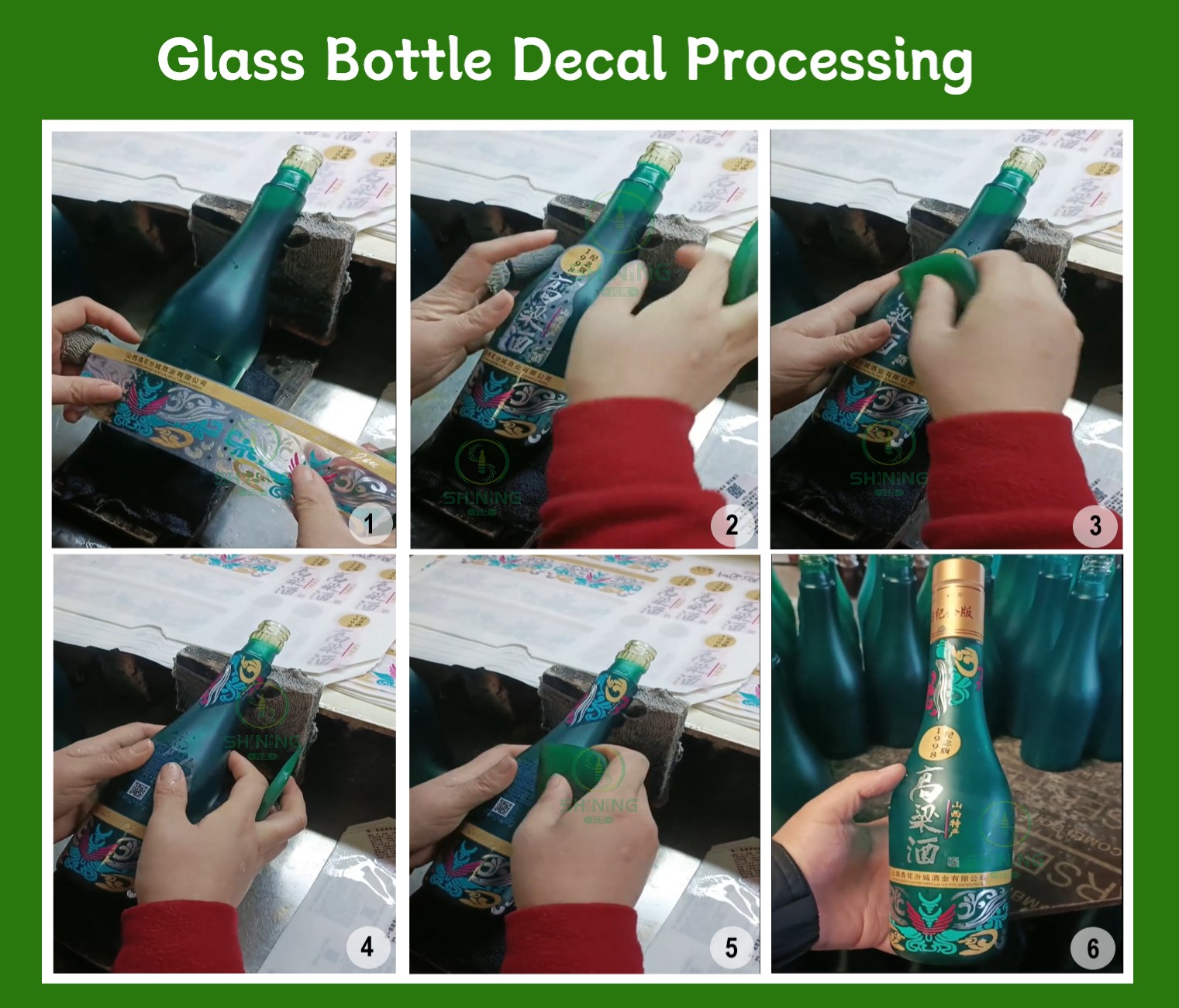
Glass Bottle Decals | High vs Low Temperature Printing Guide
Looking to add unique designs to your glass bottles to boost brand value, but not sure which decal process to choose? Many buyers worry about patterns peeling off, colors fading, or production costs running too high.
As a professional glass bottle supplier, we help clients solve these concerns every day. In this guide, we’ll explain in the simplest way possible the two main glass decal techniques – high-temperature decals and low-temperature decals – so you can quickly pick the right option without the headache.
Before choosing, it's important to know what high-temperature decals and low-temperature decals really mean, and how they differ in performance and cost.
1. High-Temperature Decals: The ‘Durability King’
High-temperature decals are widely used on glass and ceramic products. They are fired in a kiln at 550–800°C, permanently fusing the pattern into the surface of the glass. The decal itself usually consists of backing paper, a glue layer, and a cover coat.
Note: Some high-temperature decals use metallic pigments (like real gold), and firing conditions must be carefully controlled to avoid defects.
Why choose high-temperature decals?
-
Stronger Bond: After firing, the design is literally fused into the glass surface – it won’t peel, fade, or scratch off, even after frequent washing.
-
Premium Look: Colors are more subtle and elegant, perfect for products where quality and long-term use matter, such as high-end tea sets or heat-resistant glassware.
-
Safe & Certified: Can include precious metal decoration (like gold patterns) and still meet international food-contact safety standards.
✅ Best for: Glass bottles or containers that need long-term durability, high heat resistance, or frequent cleaning.
2. Low-Temperature Decals: The ‘Cost-Effective Beauty’
Low-temperature decals use inks and pigments printed on transfer paper. The transfer is soaked in water to release the design, which is then applied to the bottle surface. Instead of high firing, it only requires 120–180°C curing (or in some cases, no baking at all).
Why choose low-temperature decals?
-
Easy Application: Just water-activate, transfer, and bake at low temperature. Compatible with more materials, including ABS or PVC-coated glass.
-
Vivid Colors: Offers bright, saturated colors and metallic shine – excellent for eye-catching designs on wine bottles, gift bottles, or promotional glassware.
-
Lower Cost: Material costs are much lower than high-temp decals. Great for mass production on a budget, or for flexible small-batch customization.
✅ Best for: Projects that need vivid colors, faster production, and lower costs.
3. Key Differences: High-Temp vs. Low-Temp Decals
| Comparison | High-Temperature Decals | Low-Temperature Decals |
|---|---|---|
| Firing Temperature | 540–820°C (on-glaze), 1000–1380°C (in-glaze/under-glaze) | 120–180°C (some types no firing required) |
| Color Style | More muted, elegant; metallic tones may darken | Bright, vivid colors with shiny metallic finish |
| Durability | Extremely strong, scratch- and wash-resistant | Moderate adhesion, may fade with heavy use |
| Safety | Must pass heavy metal (lead/cadmium) tests | Generally lead-free and food-safe |
| Cost | Higher (precious metals, high firing) | Lower, highly cost-effective |
Quick Takeaway:
-
Need durability, heat resistance, and food safety? → Go with High-Temperature Decals. If your bottles must withstand washing, high temperatures, or long-term use, high-temperature decals are your best bet.
-
Need color pop, low cost, and quick turnaround? → Choose Low-Temperature Decals. If your priority is eye-catching graphics and keeping costs under control, low-temperature decals are the smarter option.
4. Why Work with Shining Glass (闪灵玻璃)?
We don't just sell bottles – we deliver complete packaging solutions from design to production.
-
Tailored to Your Needs: We recommend the right process (high-temp or low-temp) based on product type, budget, and quantity.
-
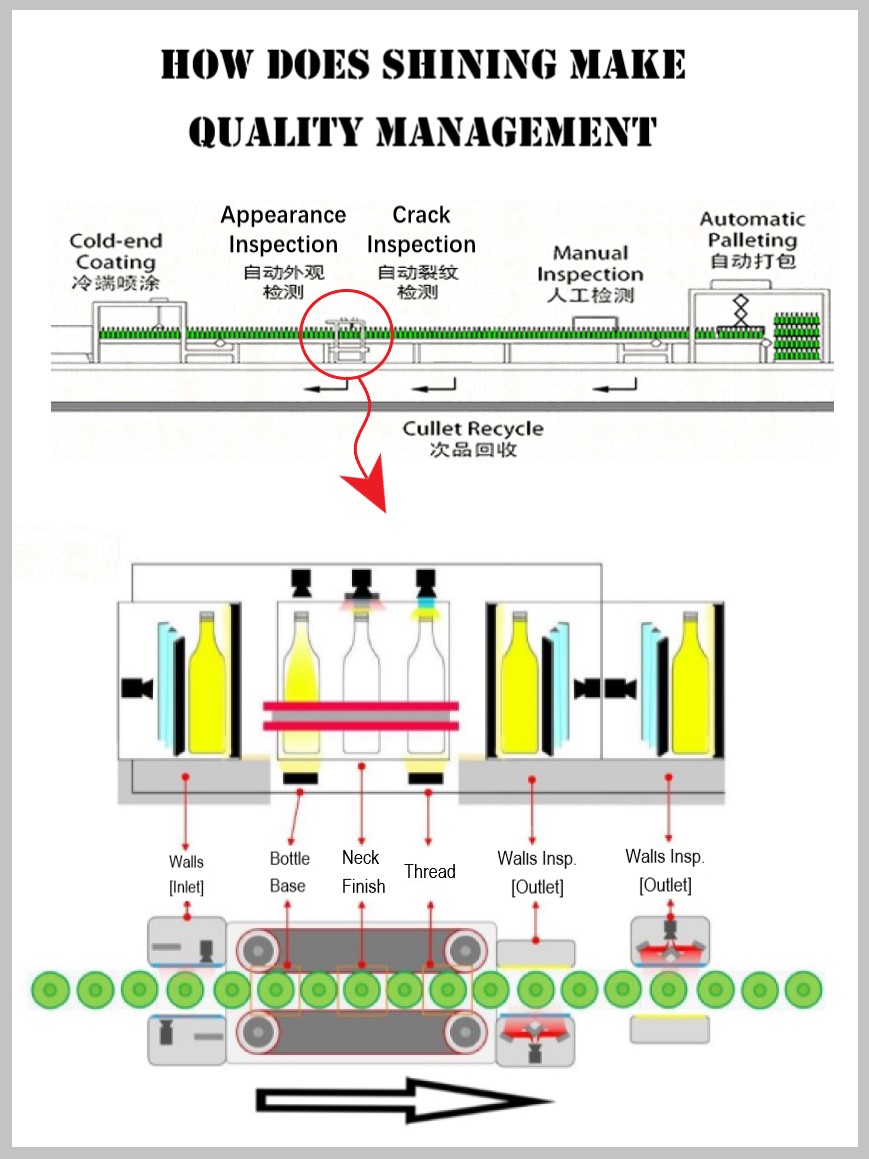
Strict Quality Control: High-temp decals use 270-mesh screen printing with ≤0.3mm alignment error for sharp designs. Low-temp decals use 300T polyester screens for excellent color accuracy, including 3D embossed effects.
-
Flexible Customization: Send us your logo or artwork – we’ll bring it to life, even with metallic accents. Full design support, color separation, and production follow-up are included.
5. Get Your Free Decal Solution Today
Stop worrying about peeling patterns, dull colors, or wasted cost. Just tell us:
-
What the bottles will be used for (wine, decoration, food, etc.)
-
Which decal type you prefer (or let us recommend)
-
Your artwork/logo and order quantity
👉 Within 24 hours, we’ll send you a detailed proposal, quotation, and sample options.
📞 Hotline: +86 13724992065
💬 WeChat: 18024160508
🎥 YOUTUB: Shining-Packaging
Whether you choose high-temperature decals for durability or low-temperature decals for visual appeal, our team ensures your glass bottles look stunning, feel premium, and match your budget.
Glass bottles are not just containers – they're a statement of your brand identity.
-
How to Choose the Right Glass Sauce Bottle for Your Product (Complete Guide)
For sauce manufacturers, brand owners, and importers, choosing the right glass sauce bottle is far more than an aesthetic call—it directly shapes production efficiency, shipping safety, shelf appeal, and customer satisfaction. This complete guide breaks down every critical factor: matching bottle design to your sauce type, selecting the right capacity, ensuring neck and production line compatibility etc. Avoid common sourcing pitfalls and pick the perfect bottle for your business.
넶0 2026-04-16 -
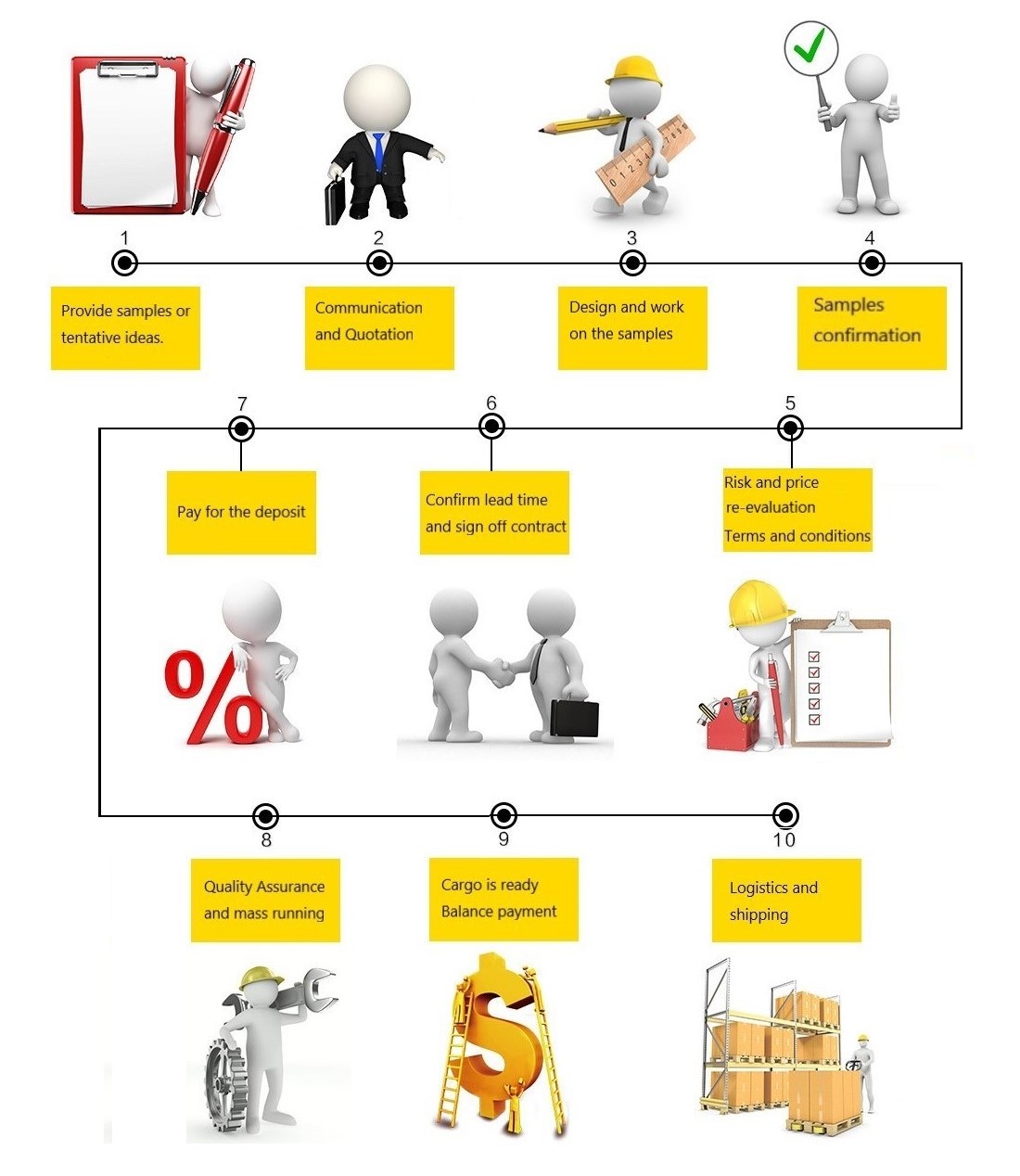
Custom Glass Bottles & Jars: OEM & ODM Solutions, MOQ, and Lead Time Explained
Custom glass bottles are often considered complicated and expensive, but most project failures actually come from misunderstandings of the process. This guide explains the key aspects of glass bottle customization, including OEM vs. ODM, customization options, mold development, MOQ, and lead times. It also highlights common mistakes buyers should avoid when developing custom packaging for food, beverage, and specialty products.
넶17 2026-03-02 -
Food Grade Glass Bottles: Complete Guide to Safety, Certification & Applications
Food‑grade glass goes beyond material choice, involving strict regulations, testing, and quality control to ensure true food‑contact safety. This guide clarifies what defines a food‑grade glass bottle, compares soda‑lime and borosilicate glass, outlines key certifications like FDA and LFGB, and explains safety testing for hot filling and long‑term storage. It offers practical insight to help brands and buyers make safer, more informed packaging decisions.
넶27 2026-01-30 -
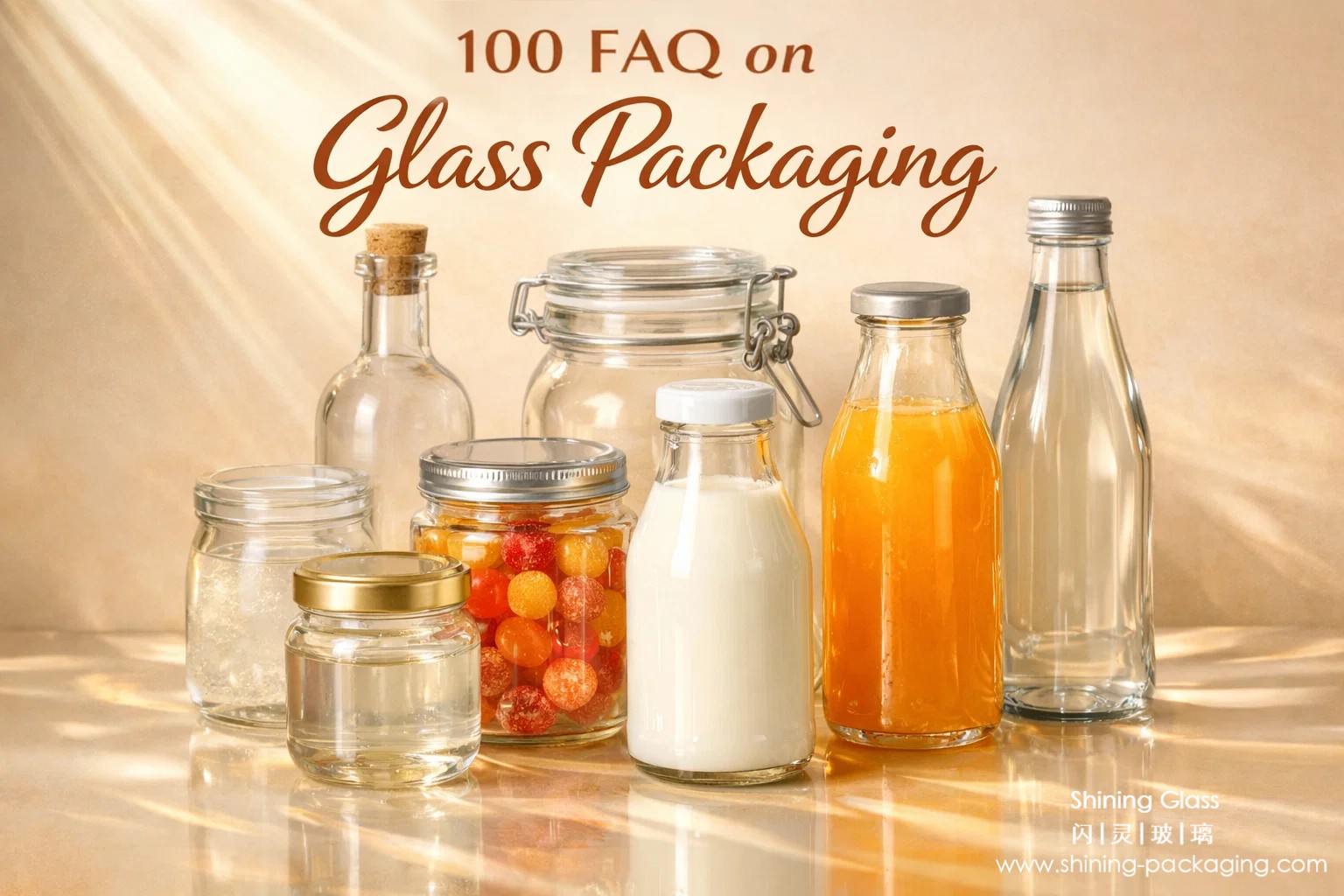
Glass Bottle & Jar Sourcing Guide: 100 FAQs to Avoid Costly Mistakes
We frequently encounter clients asking us about 100 questions regarding bottles. Below is a list of the 100 most frequently asked questions in the field of food glass bottles and jars, compiled based on practical experience. It covers multiple dimensions including product specifications, customization, packaging, transportation, certifications, and usage scenarios, helping clients understand us more quickly.
넶28 2025-12-25 -
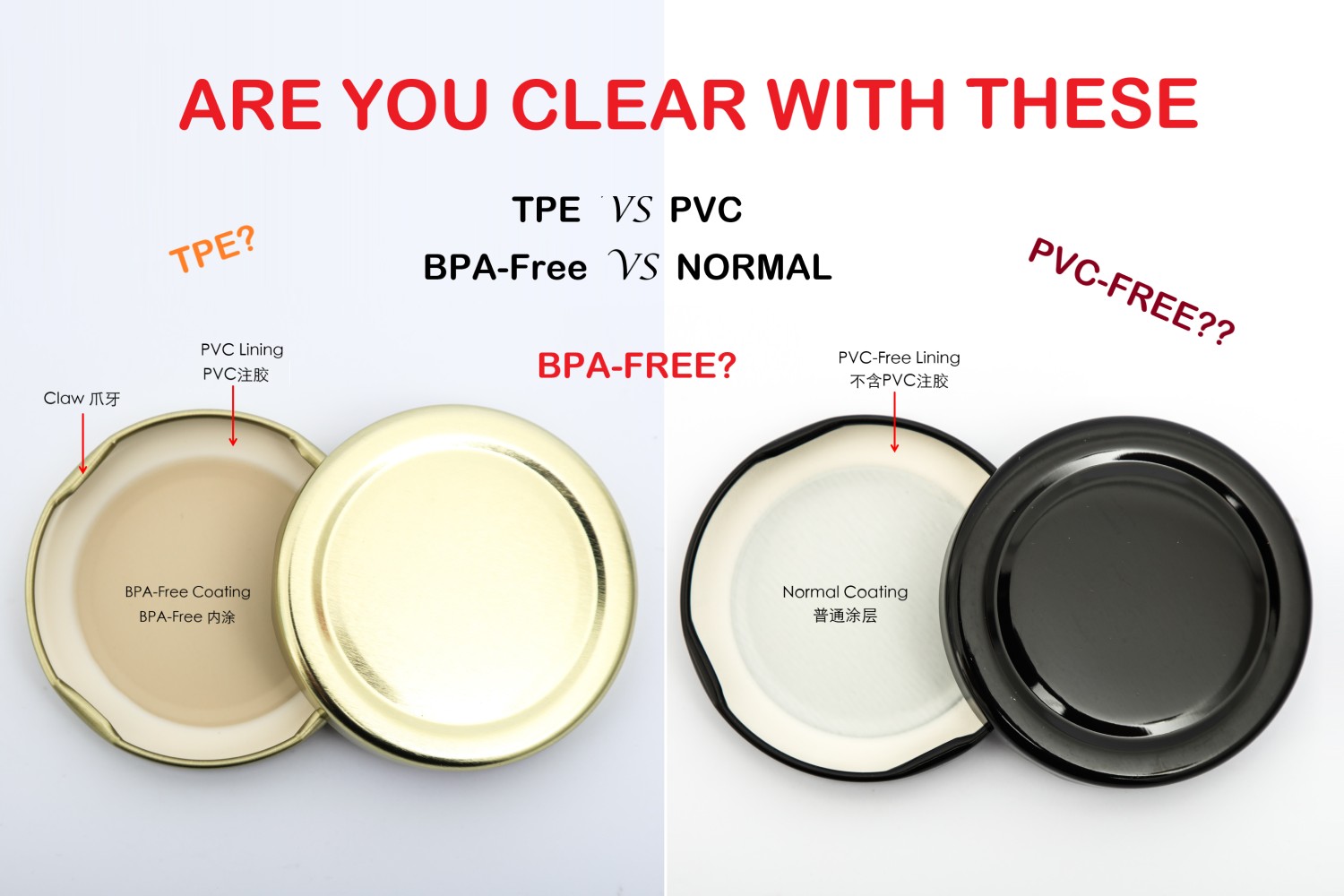
Key Technical Terms & Materials in Tin-Plate Lids: BPA-Free, TPE Seals, Internal Coatings, and What They Mean
This article explains the role of internal coatings in tin-plate lids, comparing traditional BPA-containing epoxy linings with modern non-BPA (BPA-Free / BPA-NI) formulas. Practical QC checks and compliance tips are provided for procurement and QA teams.
넶111 2025-09-13